Spot welding
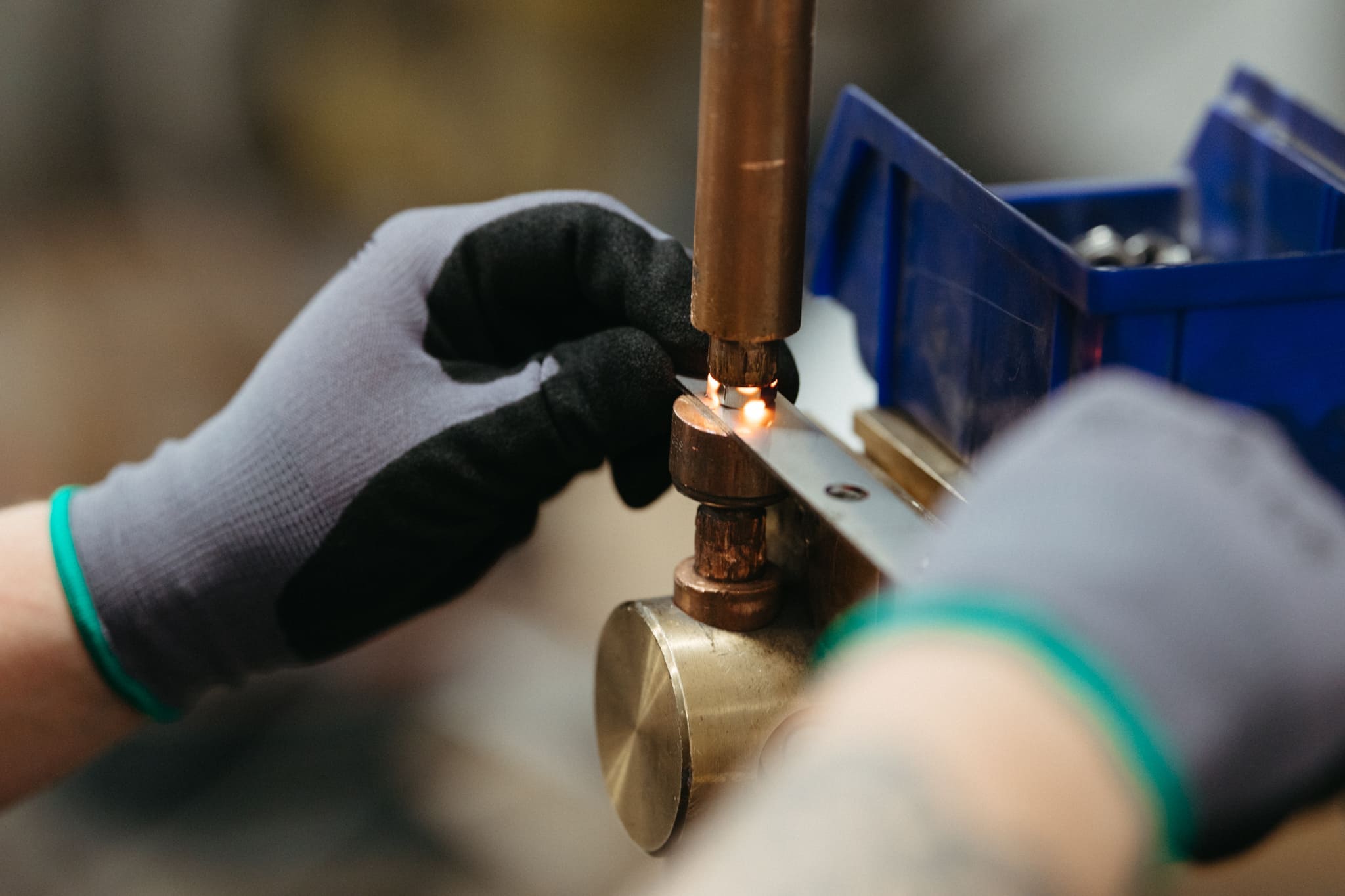
Spot welding, also known as resistance spot welding, is a process in which two metal parts are pressed together between electrodes while an electric current passes through them.
Under the combined effect of pressure and electrical current, the metal at the contact point melts and forms a strong welded joint.
Under the influence of pressure and current, the metal at the joint melts, and a strong connection is formed.
Key Benefits
Cost optimization
Fast production process
Ideal for serial manufacturing
Advantages
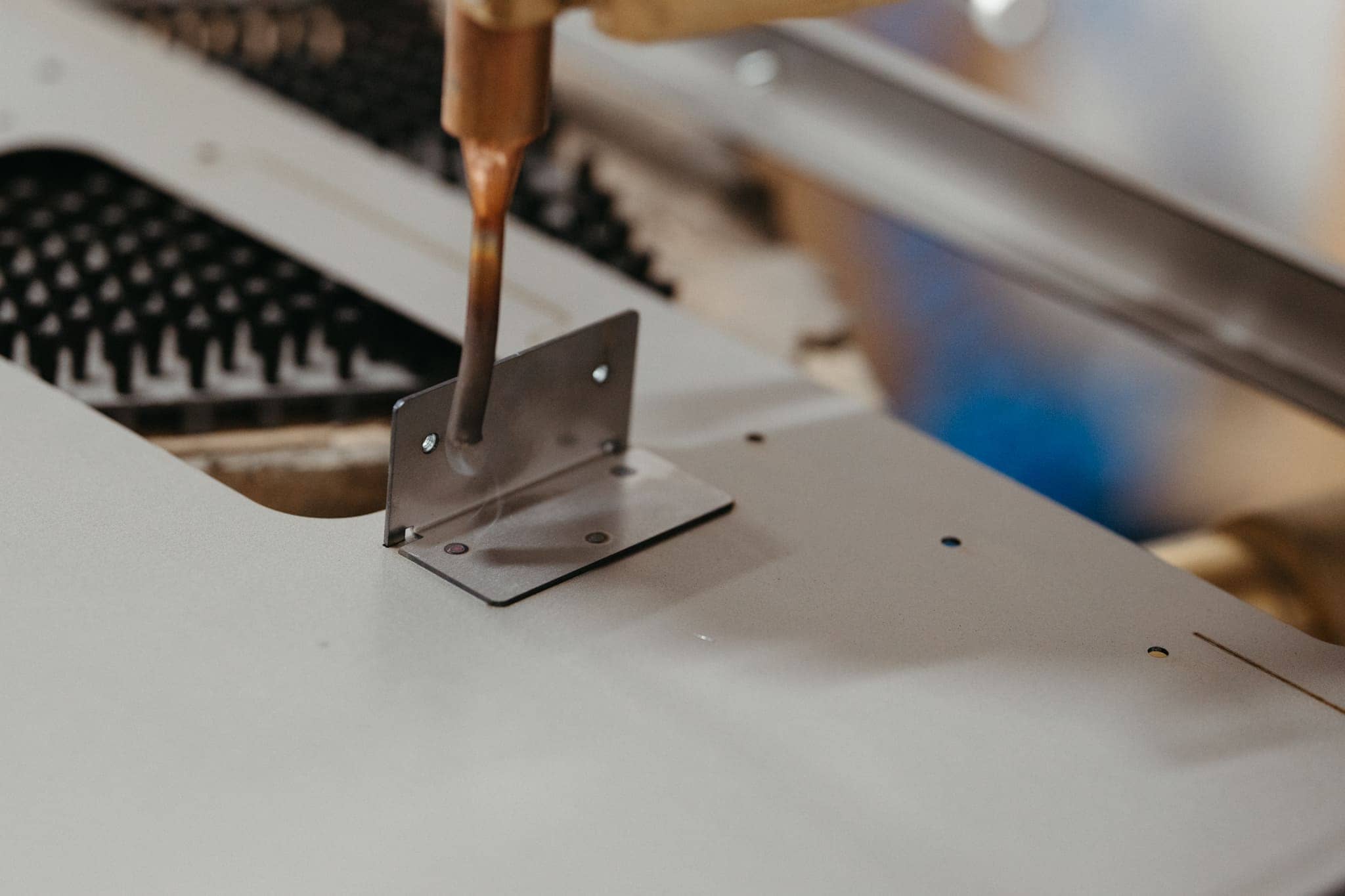
Spot welding is a fast and efficient joining method that does not require shielding gases or filler materials, making it more economical compared with conventional welding methods.
The process does not produce slag, which significantly reduces the need for post-processing and speeds up production.
For this reason, spot welding is particularly advantageous in mass production of sheet metal products.
Applications
Because spot welding is suitable only for certain material thicknesses and requires parts to be positioned in parallel, it is mainly used for welding:
- sheet metal components
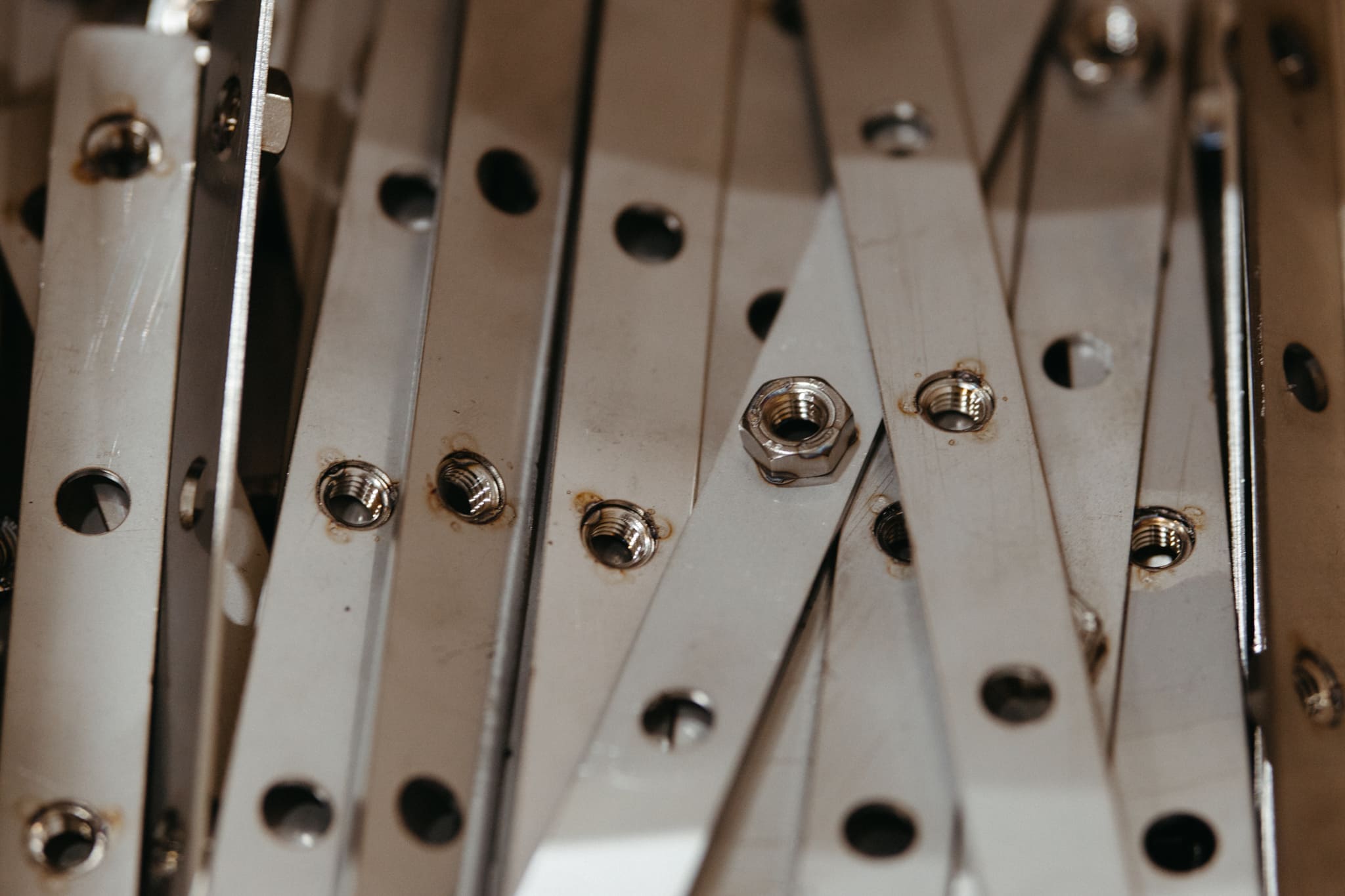
- threaded fasteners and nuts
- thin metal assemblies
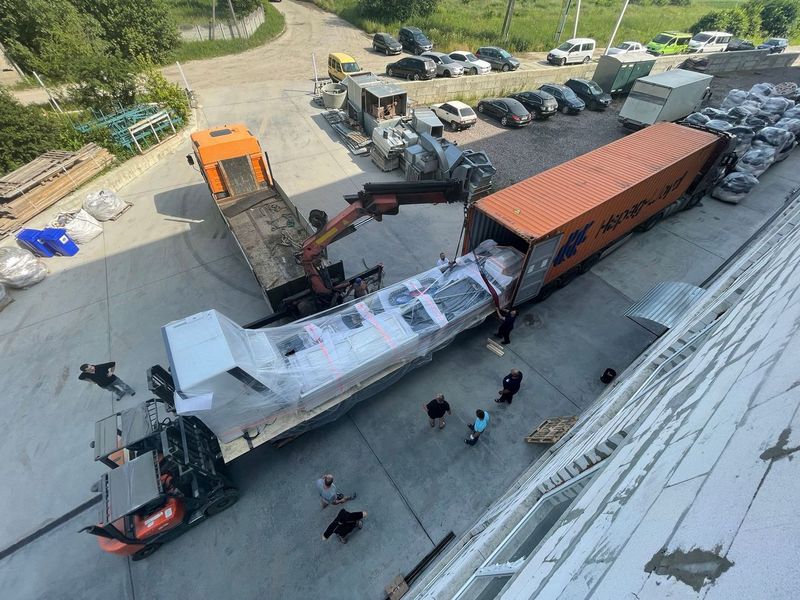
Efficient logistics is a key element of modern manufacturing.
We organize reliable delivery of finished metal components to customers, ensuring that production schedules are maintained and supply chains remain uninterrupted.
Our logistics solutions help clients benefit from:
- optimized transportation routes
- predictable delivery timelines
- efficient order fulfillment
By combining manufacturing and logistics services, we help companies simplify procurement and reduce operational complexity.